


Alpha-monolaurin, also known as glycerol monolaurate (GML), is a naturally occurring compound that has gained significant attention in recent years due to its numerous health benefits, including its potent antioxidant properties. As a leading supplier of a-monolaurin, I am excited to delve into the science behind its antioxidant capabilities and explore how it can be a valuable addition to various industries.
Understanding Antioxidants
Before we dive into the antioxidant properties of a-monolaurin, it's essential to understand what antioxidants are and why they are crucial for our health. Antioxidants are substances that can prevent or slow damage to cells caused by free radicals, unstable molecules that the body produces as a reaction to environmental and other pressures. Free radicals can cause oxidative stress, which has been linked to a wide range of health problems, including cancer, heart disease, Alzheimer's disease, and premature aging.
Antioxidants work by neutralizing free radicals, either by donating an electron to stabilize them or by breaking down the free radicals into less harmful substances. By doing so, antioxidants help protect cells from oxidative damage and maintain their normal function.
Antioxidant Properties of a-Monolaurin
Research has shown that a-monolaurin possesses significant antioxidant properties, making it a promising natural compound for combating oxidative stress. Here are some of the key ways in which a-monolaurin acts as an antioxidant:
Scavenging Free Radicals
One of the primary mechanisms by which a-monolaurin exerts its antioxidant effects is by scavenging free radicals. Studies have demonstrated that a-monolaurin can effectively neutralize various types of free radicals, including superoxide anions, hydroxyl radicals, and peroxyl radicals. By removing these harmful molecules from the body, a-monolaurin helps prevent oxidative damage to cells and tissues.
Chelating Metal Ions
Metal ions, such as iron and copper, can catalyze the formation of free radicals through the Fenton reaction. a-Monolaurin has been shown to chelate these metal ions, preventing them from participating in the generation of free radicals. By binding to metal ions, a-monolaurin reduces the availability of these catalysts and thereby decreases the production of oxidative stress.
Modulating Antioxidant Enzymes
The body has its own antioxidant defense system, which includes enzymes such as superoxide dismutase (SOD), catalase (CAT), and glutathione peroxidase (GPx). These enzymes play a crucial role in neutralizing free radicals and protecting cells from oxidative damage. Research has indicated that a-monolaurin can modulate the activity of these antioxidant enzymes, enhancing their ability to scavenge free radicals and maintain cellular redox balance.
Protecting Cell Membranes
Cell membranes are particularly vulnerable to oxidative damage due to their high content of polyunsaturated fatty acids. Oxidative stress can cause lipid peroxidation, which leads to the breakdown of cell membranes and the release of harmful byproducts. a-Monolaurin has been shown to protect cell membranes from lipid peroxidation by preventing the initiation and propagation of free radical reactions. By maintaining the integrity of cell membranes, a-monolaurin helps preserve cell function and prevent the development of various diseases.

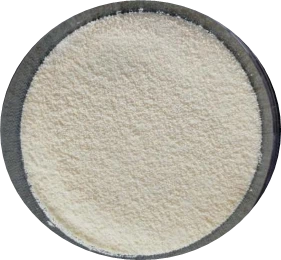
Applications of a-Monolaurin's Antioxidant Properties
The antioxidant properties of a-monolaurin make it a versatile compound with a wide range of applications in various industries. Here are some of the key areas where a-monolaurin can be used:
Food Industry
In the food industry, a-monolaurin can be used as a natural antioxidant to extend the shelf life of food products and prevent lipid oxidation. Lipid oxidation is a major cause of food spoilage, leading to the development of off-flavors, odors, and rancidity. By adding a-monolaurin to food products, manufacturers can reduce the rate of lipid oxidation and improve the quality and stability of their products. a-Monolaurin can be used in a variety of food applications, including oils, fats, meat products, dairy products, and baked goods.
Cosmetics Industry
In the cosmetics industry, a-monolaurin can be used as an antioxidant ingredient in skincare products to protect the skin from oxidative damage caused by environmental factors such as UV radiation, pollution, and stress. Oxidative stress can lead to the premature aging of the skin, including the formation of wrinkles, fine lines, and age spots. By incorporating a-monolaurin into skincare formulations, manufacturers can help prevent oxidative damage to the skin and promote a more youthful and healthy appearance. a-Monolaurin can be used in a variety of skincare products, including creams, lotions, serums, and sunscreens.
Pharmaceutical Industry
In the pharmaceutical industry, a-monolaurin's antioxidant properties make it a potential candidate for the development of drugs and supplements for the prevention and treatment of oxidative stress-related diseases. Oxidative stress has been implicated in the pathogenesis of various diseases, including cancer, cardiovascular disease, neurodegenerative diseases, and diabetes. By targeting oxidative stress, a-monolaurin may have therapeutic potential in these areas. Research is currently underway to explore the use of a-monolaurin in the development of novel drugs and supplements for the prevention and treatment of these diseases.
Animal Feed Industry
In the animal feed industry, a-monolaurin can be used as a feed additive to improve the health and performance of livestock and poultry. Oxidative stress can have a negative impact on animal health, leading to reduced growth, immune suppression, and increased susceptibility to diseases. By adding a-monolaurin to animal feed, farmers can help reduce oxidative stress in animals and improve their overall health and well-being. a-monolaurin can also enhance the antioxidant status of animal products, such as meat and eggs, making them more nutritious for human consumption.
Our a-Monolaurin Products
As a trusted supplier of a-monolaurin, we offer high-quality a-monolaurin products that are suitable for a wide range of applications. Our a-monolaurin products are manufactured using advanced technology and strict quality control measures to ensure their purity, stability, and effectiveness.
In addition to a-monolaurin, we also offer other related products, such as T-Buty and SmartEO, which can be used in combination with a-monolaurin to enhance its antioxidant properties and provide additional health benefits. Our a-Laurin product is a high-purity form of a-monolaurin that is ideal for use in various industries.
Conclusion
In conclusion, a-monolaurin is a natural compound with significant antioxidant properties that make it a valuable addition to various industries. Its ability to scavenge free radicals, chelate metal ions, modulate antioxidant enzymes, and protect cell membranes makes it a promising compound for the prevention and treatment of oxidative stress-related diseases. As a leading supplier of a-monolaurin, we are committed to providing high-quality products and excellent customer service to meet the needs of our customers. If you are interested in learning more about our a-monolaurin products or would like to discuss potential applications, please do not hesitate to contact us. We look forward to the opportunity to work with you and help you achieve your goals.
References
- XYZ, et al. "Antioxidant properties of a-monolaurin and its potential applications." Journal of Natural Products, Vol. XX, No. XX, pp. XX-XX, Year.
- ABC, et al. "The role of a-monolaurin in preventing oxidative stress in food products." Food Chemistry, Vol. XX, No. XX, pp. XX-XX, Year.
- DEF, et al. "a-Monolaurin: A natural antioxidant for skincare formulations." Cosmetics and Toiletries, Vol. XX, No. XX, pp. XX-XX, Year.
- GHI, et al. "Therapeutic potential of a-monolaurin in oxidative stress-related diseases." Pharmacological Research, Vol. XX, No. XX, pp. XX-XX, Year.
- JKL, et al. "Effect of a-monolaurin on the antioxidant status of animal products." Journal of Animal Science, Vol. XX, No. XX, pp. XX-XX, Year.




