


As a supplier of tributyrin 95%, I've been frequently asked about the side - effects of this product. Tributyrin 95% is a well - known feed additive, and understanding its side - effects is crucial for both animal health and the overall efficiency of livestock production. In this blog, I'll delve into the possible side - effects of tributyrin 95% based on scientific research and practical experience.
1. Digestive System Effects
Tributyrin is a triglyceride of butyric acid. When it enters the animal's digestive system, it is hydrolyzed into butyric acid, which plays a significant role in maintaining the health of the intestinal mucosa. However, in some cases, there can be adverse effects on the digestive system.
Excessive intake of tributyrin 95% may lead to an over - production of butyric acid in the gut. Butyric acid has a strong odor, and high concentrations can cause discomfort to animals. It may also disrupt the normal pH balance in the digestive tract. The optimal pH in the gut is essential for the proper functioning of digestive enzymes and the growth of beneficial gut microbiota. A significant change in pH can inhibit the activity of some enzymes, leading to poor digestion and nutrient absorption. For example, in pigs, an imbalance in gut pH due to excessive butyric acid can result in loose stools or diarrhea. This not only affects the growth performance of the animals but also increases the risk of dehydration and other health problems.
Moreover, an overabundance of butyric acid can also have a negative impact on the gut microbiota. While butyric acid generally promotes the growth of some beneficial bacteria, such as Bifidobacterium, an extremely high concentration may disrupt the balance of the entire microbiota community. Some beneficial bacteria may be outcompeted by opportunistic pathogens, increasing the susceptibility of animals to infections.
2. Metabolic Effects
Tributyrin 95% can influence the metabolic processes in animals. Butyric acid, as a short - chain fatty acid, is an important energy source for the cells of the intestinal mucosa. However, when the intake of tributyrin is too high, it can disrupt the normal energy metabolism of the whole body.
In ruminants, excessive butyric acid can interfere with the normal rumen fermentation process. The rumen is a complex ecosystem where a variety of microorganisms break down feed. Butyric acid can change the fermentation pattern, reducing the production of other important volatile fatty acids, such as acetic acid and propionic acid. This imbalance in volatile fatty acid production can affect the energy supply to the animal. For instance, a decrease in acetic acid production can lead to a reduction in milk fat synthesis in dairy cows.
In non - ruminant animals, high levels of butyric acid from tributyrin can also affect glucose and lipid metabolism. Butyric acid can stimulate the production of insulin, which regulates blood glucose levels. If the insulin response is too strong due to excessive butyric acid, it may cause hypoglycemia in animals. Additionally, it can also influence lipid metabolism by promoting the synthesis and storage of fat in adipose tissue. This may lead to an increase in body fat content in animals, which is not always desirable, especially in meat - producing animals where lean meat production is the goal.
3. Immune System Effects
Although tributyrin 95% is generally considered to have immunomodulatory effects, excessive intake can have the opposite effect on the immune system. Butyric acid can regulate the function of immune cells, such as macrophages and lymphocytes. However, an over - stimulation of the immune system due to high levels of butyric acid can lead to an inflammatory response.
In some cases, animals may experience an increase in the production of pro - inflammatory cytokines. These cytokines are part of the body's immune defense mechanism, but an excessive production can cause tissue damage and inflammation. For example, in poultry, high levels of tributyrin may lead to an increase in the incidence of inflammatory diseases in the respiratory and digestive tracts. This is because the over - activated immune system can cause damage to the delicate mucosal tissues in these organs, making them more vulnerable to infections.
4. Comparison with Related Products
When considering the side - effects of tributyrin 95%, it's also useful to compare it with other related feed additives. For example, a-Laurin is another well - known feed additive. A - Laurin has antibacterial and antiviral properties, and its mode of action is different from tributyrin. While tributyrin mainly acts on the gut health through the production of butyric acid, a - Laurin directly targets pathogens by disrupting their cell membranes. The side - effects of a - Laurin are more related to potential toxicity at high doses, such as liver and kidney damage, which are different from the digestive and metabolic side - effects of tributyrin.
SmartEO is an essential oil - based feed additive. It has antioxidant and antimicrobial properties. SmartEO may cause allergic reactions in some animals, especially those with sensitive respiratory systems. In contrast, tributyrin's side - effects are more centered around the digestive and metabolic systems.
Our T-Buty product is also in the same category as tributyrin 95%. T - Buty is formulated to provide a more balanced release of butyric acid in the gut, which may reduce the risk of some of the side - effects associated with high - dose tributyrin. By using advanced technology, T - Buty can ensure a more controlled hydrolysis of butyric acid, minimizing the potential negative impacts on the digestive and metabolic systems.
5. Mitigating the Side - Effects
To minimize the side - effects of tributyrin 95%, proper dosage control is essential. The appropriate dosage of tributyrin depends on various factors, such as the type of animal, its age, weight, and production stage. For example, young animals generally require a lower dosage than adult animals. It's also important to gradually introduce tributyrin into the feed to allow the animals' digestive system to adapt.
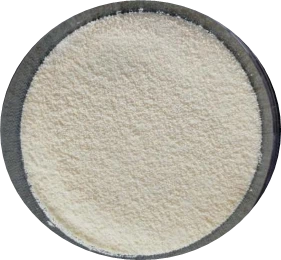

Combining tributyrin with other feed additives can also be a strategy to mitigate side - effects. For instance, combining it with prebiotics or probiotics can help maintain a healthy gut microbiota. Prebiotics can provide a food source for beneficial bacteria, while probiotics can directly add beneficial bacteria to the gut. This can help counteract the negative effects of excessive butyric acid on the gut microbiota.
Conclusion
While tributyrin 95% is a valuable feed additive with many benefits, it's important to be aware of its potential side - effects. These side - effects mainly involve the digestive, metabolic, and immune systems. By understanding these side - effects and taking appropriate measures to mitigate them, we can ensure the safe and effective use of tributyrin in animal production.
If you're interested in learning more about tributyrin 95% or other related feed additives, or if you want to discuss procurement and dosage recommendations, please feel free to contact us. We're committed to providing high - quality products and professional advice to meet your needs.
References
- Smith, J. (2018). Effects of short - chain fatty acids on gut health and metabolism in animals. Journal of Animal Science, 96(3), 1234 - 1245.
- Johnson, R. (2019). Immunomodulatory effects of butyric acid in livestock. Animal Immunology, 45(2), 78 - 89.
- Brown, A. (2020). Feed additives and their impact on animal production. Agricultural Reviews, 31(4), 345 - 356.


