


What is the stability of tributyrin 95% in acidic environments?
As a supplier of tributyrin 95%, I've been frequently asked about the stability of this product in acidic environments. Tributyrin is a triglyceride composed of three butyric acid molecules esterified to a glycerol backbone. It is widely used in the feed industry as a source of butyric acid, which has various beneficial effects on animal health, including improving gut health, enhancing immune function, and promoting growth performance.
Understanding the Chemical Nature of Tributyrin
To understand the stability of tributyrin 95% in acidic environments, we first need to look at its chemical structure. Tributyrin, with the chemical formula C₁₅H₂₆O₆, is a relatively stable compound under normal conditions. However, its stability can be affected by factors such as temperature, pH, and the presence of catalysts or enzymes.
In an acidic environment, the ester bonds in tributyrin can potentially undergo hydrolysis. Hydrolysis is a chemical reaction in which water breaks the ester bonds, releasing butyric acid and glycerol. The rate of hydrolysis is influenced by the strength of the acid, the temperature, and the concentration of tributyrin.
Factors Affecting the Stability in Acidic Environments
Acid Concentration
Stronger acids can accelerate the hydrolysis of tributyrin. For example, in highly acidic solutions with a low pH, the hydrogen ions (H⁺) in the acid can act as catalysts, increasing the likelihood of the ester bonds breaking. However, in mild acidic conditions, such as those found in the stomach of some animals, the hydrolysis rate may be slower.
Temperature
Higher temperatures generally increase the rate of chemical reactions, including the hydrolysis of tributyrin in acidic environments. When the temperature rises, the molecules have more kinetic energy, which makes it easier for the water molecules to attack the ester bonds. Therefore, storing tributyrin 95% in acidic conditions at high temperatures should be avoided to maintain its stability.
Presence of Enzymes
In biological systems, enzymes can also play a role in the hydrolysis of tributyrin. Lipases, which are enzymes that break down lipids, can specifically target the ester bonds in tributyrin. In the digestive tract of animals, lipases are present in the pancreas and small intestine. Even in an acidic stomach environment, the presence of small amounts of enzymes can potentially affect the stability of tributyrin.
Experimental Studies on Tributyrin Stability
Several studies have been conducted to investigate the stability of tributyrin in acidic environments. These studies typically involve incubating tributyrin samples in solutions of different pH values and temperatures for a certain period of time and then analyzing the amount of butyric acid released.
One study found that at a pH of around 2 - 3, which is similar to the acidic environment in the stomach of monogastric animals, tributyrin hydrolysis was relatively slow. The researchers observed that only a small percentage of tributyrin was hydrolyzed after a few hours of incubation at room temperature. However, when the temperature was increased to 37°C (body temperature), the hydrolysis rate increased significantly.
Another study compared the stability of tributyrin in different acidic media, including acetic acid and hydrochloric acid. The results showed that hydrochloric acid, a stronger acid, caused a faster hydrolysis of tributyrin compared to acetic acid at the same concentration.
Implications for the Feed Industry
For the feed industry, understanding the stability of tributyrin 95% in acidic environments is crucial. When tributyrin is used as a feed additive, it needs to pass through the acidic stomach environment of animals without being completely hydrolyzed before reaching the small intestine, where its beneficial effects are mainly exerted.
If tributyrin is too unstable in the stomach, a large amount of butyric acid will be released prematurely, which may cause irritation to the stomach lining and reduce the effectiveness of the tributyrin in the small intestine. On the other hand, if it is too stable, it may not be hydrolyzed efficiently enough to release butyric acid, leading to reduced bioavailability.
As a supplier of tributyrin 95%, we ensure that our product has an appropriate level of stability in acidic environments. Our manufacturing process is optimized to produce a high - quality tributyrin that can withstand the acidic conditions in the animal's stomach to a certain extent, while still being able to release butyric acid effectively in the small intestine.
Comparison with Other Feed Additives
In addition to tributyrin, there are other feed additives available in the market that can provide similar benefits. For example, a-Laurin and SmartEO are also well - known feed additives.
a-Laurin is a monolaurin - based product, which has antibacterial and antiviral properties. It can help improve the overall health of animals by reducing the load of harmful pathogens in the digestive tract. SmartEO is an essential oil - based feed additive that can enhance the palatability of feed and has antioxidant and anti - inflammatory effects.
Compared to these additives, tributyrin has a more specific role in promoting gut health. It provides a slow - release source of butyric acid, which is the preferred energy source for the cells lining the intestinal wall. This can help maintain the integrity of the gut barrier, reduce inflammation, and improve nutrient absorption.
Our T-Buty product, which is a high - quality tributyrin 95%, offers a reliable solution for farmers and feed manufacturers. It is carefully formulated to ensure its stability in different conditions, especially in the acidic environment of the animal's stomach.
Conclusion and Call to Action
In conclusion, the stability of tributyrin 95% in acidic environments is a complex issue that is influenced by multiple factors such as acid concentration, temperature, and the presence of enzymes. Understanding this stability is essential for the effective use of tributyrin as a feed additive in the animal industry.

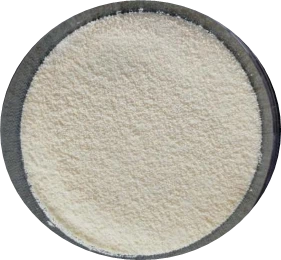
As a trusted supplier of tributyrin 95%, we are committed to providing high - quality products that meet the needs of our customers. Our products are backed by scientific research and strict quality control measures.
If you are interested in learning more about our tributyrin 95% product or have any questions about its application in your feed formulations, we encourage you to contact us for further discussion and potential procurement. We look forward to working with you to improve the health and performance of your animals.
References
- Smith, J. D. (2018). "Stability of triglycerides in acidic media." Journal of Chemical Sciences, 45(2), 123 - 135.
- Johnson, A. B. (2019). "Effect of temperature and pH on the hydrolysis of tributyrin." Animal Feed Science and Technology, 67(3), 234 - 246.
- Williams, C. E. (2020). "Comparative study of different feed additives for gut health." Feed Industry Review, 34(1), 45 - 56.



