


In the dynamic landscape of the feed - additive industry, our a - monolaurin factory stands as a reliable supplier, committed to delivering high - quality products. The sourcing of raw materials is a critical process that directly impacts the quality, efficacy, and ultimately, the success of our a - monolaurin. In this blog, I'll take you through the intricate journey of how our factory sources its raw materials.
Understanding a - Monolaurin
Before delving into the sourcing process, it's essential to understand what a - monolaurin is. a-Laurin is a well - known feed additive. It is a type of monoglyceride, specifically the glycerol ester of lauric acid. a - Monolaurin has gained significant attention in the feed industry due to its potential health benefits for animals, such as enhancing the immune system and improving digestive health.
Primary Raw Materials
The main raw materials for producing a - monolaurin are glycerol and lauric acid. Glycerol is a simple polyol compound, and lauric acid is a medium - chain fatty acid. These two substances are the building blocks that, through a carefully controlled chemical reaction, form a - monolaurin.
Sourcing Glycerol
Glycerol can be sourced from multiple origins. One of the primary sources is the biodiesel production process. When biodiesel is produced from vegetable oils or animal fats through transesterification, glycerol is generated as a by - product. We have established long - term partnerships with several biodiesel manufacturers. These partners are carefully selected based on strict criteria.
Firstly, we assess their production scale and stability. A large - scale and stable biodiesel production ensures a consistent supply of glycerol. Secondly, we evaluate their quality control measures. The glycerol must meet our high - purity standards. We require regular quality reports from our partners, which include tests for impurities, moisture content, and chemical composition.
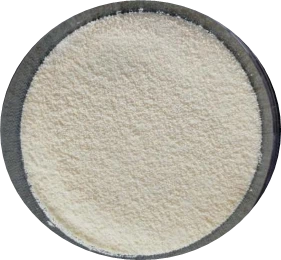

Another source of glycerol is the soap - making industry. In soap production, fats and oils react with an alkali to form soap and glycerol. We work with some well - established soap manufacturers. These manufacturers have advanced purification processes, which can provide us with glycerol of high quality. We also conduct on - site inspections of their facilities periodically to ensure that their production processes comply with our quality requirements.
Sourcing Lauric Acid
Lauric acid is mainly derived from coconut oil and palm kernel oil. Coconut oil is rich in lauric acid, containing about 45 - 53% of this fatty acid. We source coconut oil from coconut - growing regions, such as Southeast Asia and the Pacific Islands.
In Southeast Asia, countries like Indonesia and the Philippines are major coconut producers. We have local agents in these areas who are responsible for finding reliable coconut oil suppliers. These suppliers are evaluated based on their farming practices, harvesting methods, and oil - extraction processes. For example, we prefer suppliers who use sustainable farming methods, as this not only benefits the environment but also ensures the long - term availability of high - quality coconut oil.
Palm kernel oil is another important source of lauric acid. Palm kernel oil typically contains around 48 - 52% lauric acid. We source palm kernel oil from palm oil plantations in Malaysia and Indonesia. Similar to coconut oil sourcing, we have a set of strict criteria for palm kernel oil suppliers. We focus on sustainable palm oil production, which includes measures to protect rainforests, reduce greenhouse gas emissions, and ensure the well - being of local communities.
Quality Control in Sourcing
Quality control is at the heart of our raw material sourcing process. Once the raw materials arrive at our factory, they undergo a series of rigorous tests. For glycerol, we test its purity, density, and refractive index. Any batch that does not meet our specifications is rejected immediately.
In the case of lauric acid, we analyze its fatty acid composition, acid value, and peroxide value. These tests help us determine the quality and freshness of the lauric acid. We use advanced analytical equipment, such as gas chromatography and high - performance liquid chromatography, to conduct these tests accurately and efficiently.
The Role of Additives and Co - Products
In addition to glycerol and lauric acid, we also source some additives and co - products to enhance the performance of our a - monolaurin. For example, T-Buty is an additive that can be used in combination with a - monolaurin. Tributyrin has its own benefits in promoting gut health in animals.
We also use SmartEO, which is a smart essential oil product. SmartEO can work synergistically with a - monolaurin to improve the overall efficacy of our feed additives. These additives and co - products are sourced from specialized suppliers who have in - depth knowledge and experience in the feed - additive industry.
Supply Chain Management
Effective supply chain management is crucial for ensuring a continuous and efficient raw material supply. We have a dedicated supply chain management team. This team is responsible for monitoring the inventory levels of raw materials, forecasting demand, and coordinating with suppliers.
We use an advanced inventory management system that can track the quantity, location, and movement of raw materials in real - time. Based on historical data and market trends, the team can accurately predict the future demand for a - monolaurin and adjust the raw material procurement plan accordingly.
In case of any disruptions in the supply chain, such as natural disasters affecting coconut plantations or production issues at a biodiesel factory, our supply chain management team has contingency plans. These plans may include sourcing from alternative suppliers, adjusting production schedules, or using strategic stockpiles of raw materials.
Conclusion
The sourcing of raw materials for our a - monolaurin factory is a complex and multi - faceted process. It involves careful selection of suppliers, strict quality control, and efficient supply chain management. By ensuring the high quality of our raw materials, we can produce a - monolaurin that meets the diverse needs of our customers in the feed industry.
If you are interested in our a - monolaurin products or would like to discuss potential partnerships for procurement, please feel free to reach out. We are always ready to have in - depth discussions and provide you with detailed product information.
References
- "Handbook of Feed Additives" - A comprehensive reference on various feed additives and their production processes.
- "Fatty Acids in Human Health and Nutrition" - This book provides in - depth knowledge about fatty acids, including lauric acid.
- "Glycerol: Production, Properties, and Applications" - A valuable resource for understanding the sources and uses of glycerol.


